Company director is jailed for illegal export
The recent imprisonment of a UK company director for attempting to export military-grade thermal imaging rifle sights to Hong Kong without a licence is is a clear indication of individual accountability catching up with directors and senior management
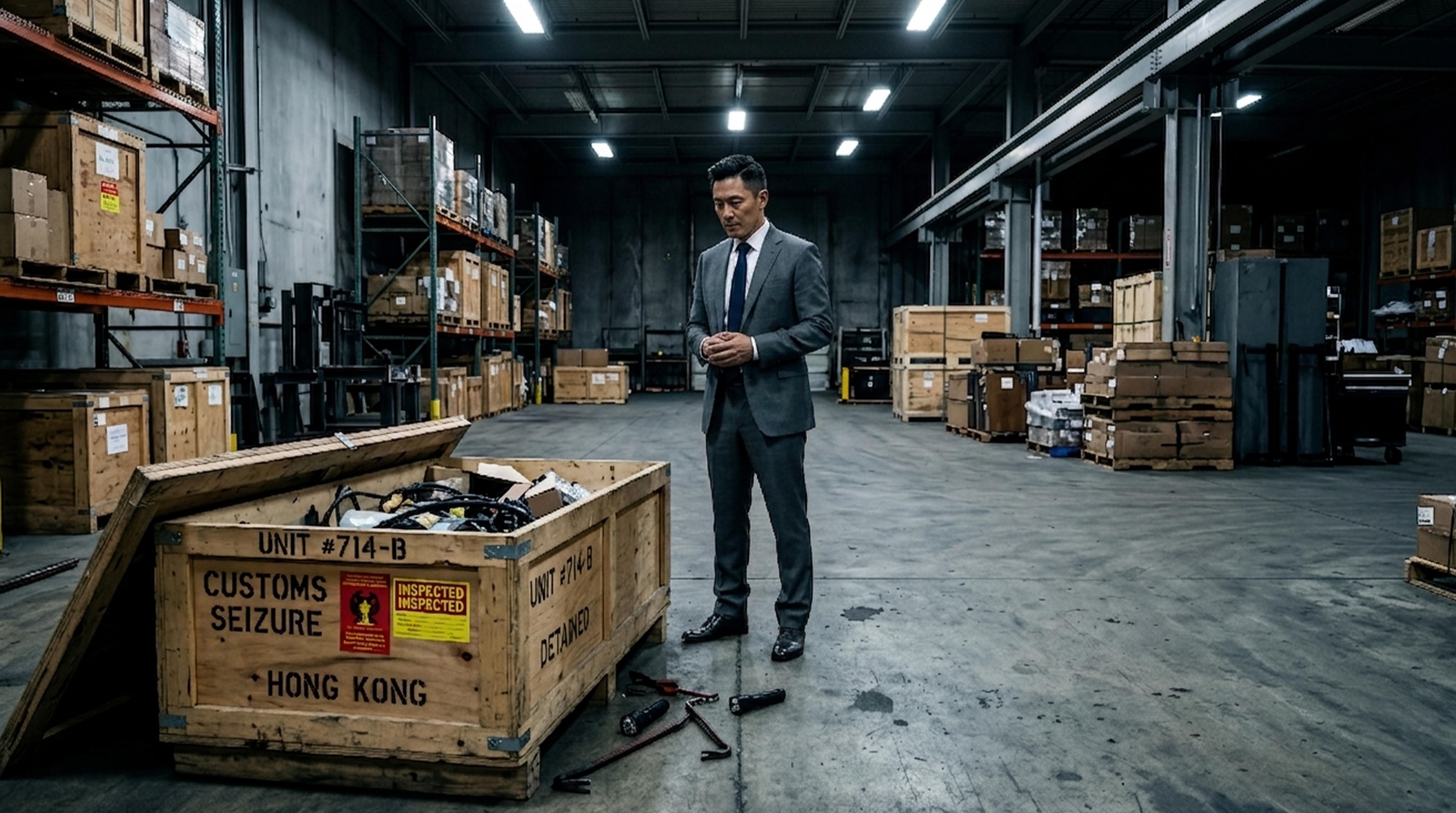
The recent imprisonment of a UK company director for attempting to export military-grade thermal imaging rifle sights to Hong Kong without a licence is is a clear indication of individual accountability catching up with directors and senior management
According to HM Revenue & Customs (HMRC), the defendant director misdescribed controlled thermal imaging rifle sights as “low-value cameras” in an attempt to circumvent UK export licensing requirements. Border Force officers intercepted multiple shipments, while subsequent investigations uncovered evidence of additional unlicensed exports. He was sentenced to more than two years’ imprisonment.
The broader significance lies not only in the prosecution itself, but in the enforcement trend it reflects.
HMRC disclosed that criminal investigations into export control breaches increased from just five cases in 2021–2022 to 51 investigations in 2024–2025.
The case also underscores the heightened scrutiny surrounding exports involving sensitive destinations, particularly where military or dual-use technologies are concerned. The UK continues to maintain a partial arms embargo relating to China and Hong Kong.
For boards, exporters, logistics providers, and compliance teams, the implications are significant.
First, product classification risk remains materially underestimated. Misclassification — whether deliberate or negligent — remains one of the most common triggers for export control breaches. As technologies become increasingly dual-use in nature, classification decisions can no longer be treated as routine administrative exercises.
Second, directors face growing personal exposure. Regulators are increasingly prepared to take to task wilful blindness, or inadequate oversight.
Third, static compliance frameworks are becoming insufficient. Organisations operating across sensitive sectors or jurisdictions require more than periodic screening exercises. Effective export control governance increasingly demands integrated licensing controls, dynamic end-user verification, escalation pathways, and continuous monitoring of trade flows and counterparties.
Perhaps the clearest message from the case is this: export controls have moved firmly into the boardroom.
In an environment shaped by geopolitical fragmentation, technology restrictions, sanctions expansion, and heightened enforcement coordination, organisations can no longer treat export compliance as a narrow operational function delegated entirely to trade or logistics teams.
The more important question for leadership is no longer whether an export licence is required - It is whether the organisation’s governance, controls, and culture are sufficiently robust to identify and manage strategic trade risk before regulators do.

SERVICES
Risk & Regulatory Advisory
We don’t write long memos. We build compliance that holds up - in audits, in practice, and under pressure.
Learn
More
Learn
More


SERVICES
Integrated Screening Solutions
In today’s complex global trade landscape, managing risks effectively is not just an option—it’s a necessity.
Learn
More
Learn
More

SERVICES
Internal Investigations
In today's business environment, it's more important than ever to have robust compliance and ethics programs in place.
Learn
More
Learn
More

SERVICES
Compliance Training
Empower your workforce with specialized training and academic modules focused on technical mastery and professional integrity.
Learn
More
Learn
More